
Modern architecture tends to celebrate the industrial and the mass-produced. Standardization is efficient. Prefabrication is economical. Industrial materials are durable. All of this is true.
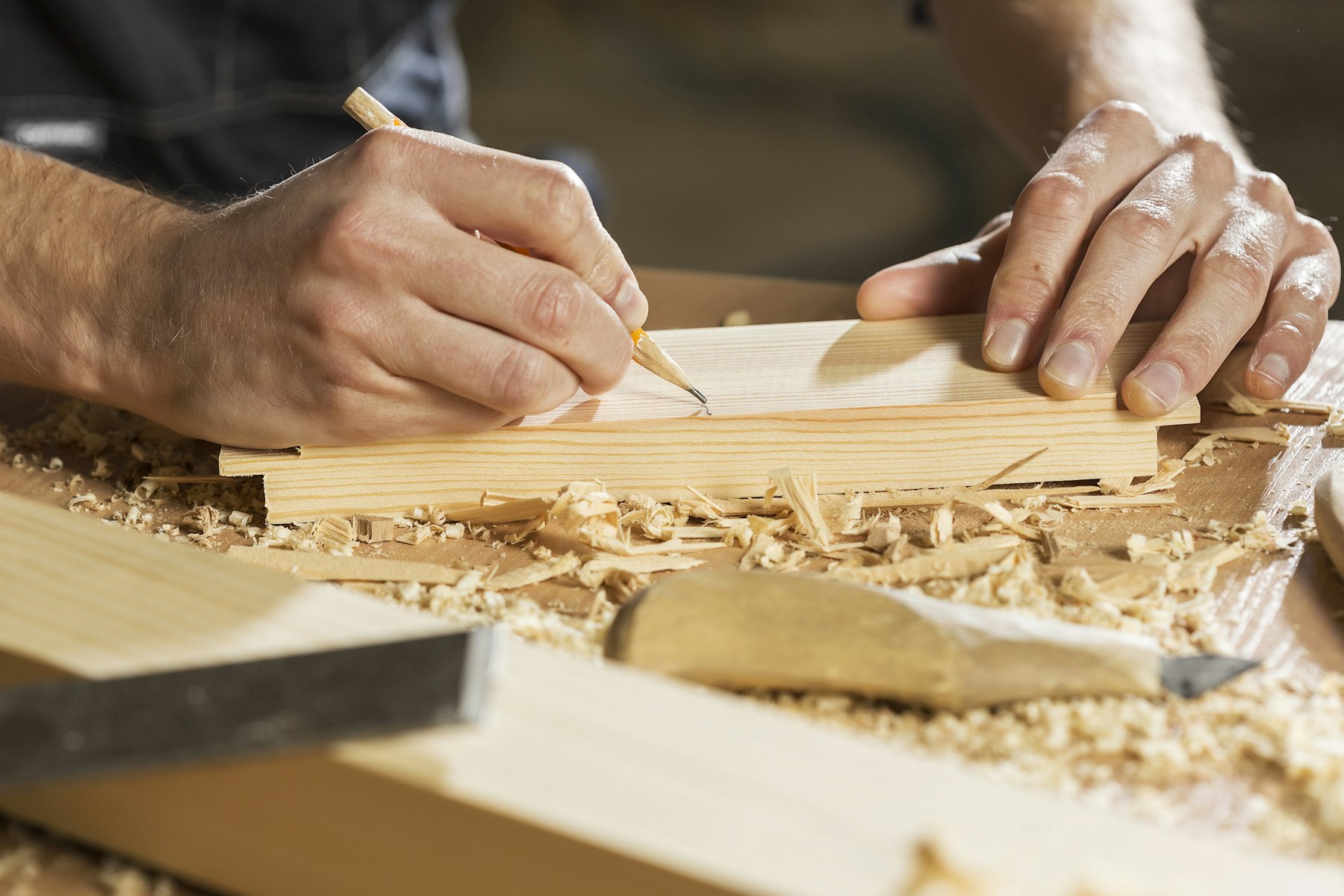
But I've noticed something: the spaces that feel most human are often the ones with evidence of craft. A handrail where you can sense it was carefully considered for hand comfort. Stone where you can see its natural variation. A detail where it's clear that someone thought carefully about how it would be experienced.
This doesn't mean returning to pre-industrial craft or rejecting contemporary materials. It means being intentional about where craft matters and investing in it.
In the A-Frame cabin, the timber structure is exposed. You see the joinery. You understand how it was built. This tells a story of craft and care that a hidden structure wouldn't convey. At the same time, the envelope is high-performance, using contemporary materials.
The balance between industrial efficiency and thoughtful craft is where good design lives. Not pure handcraft, which is impractical at scale. Not pure industrialization, which creates sterile environments.
For residential projects, I insist on handcrafted details in certain locations. A custom tile treatment in a bathroom. A handmade door handle. The quality of the joinery where materials meet. These details cost more, but they create spaces that feel inhabited, that feel made with care.
I've learned that people notice this. They might not consciously identify it as craft, but they sense it. They feel the difference between a generic material finish and one that was carefully considered.
This attention to craft is embedded in how Studio Dotbox works. We're not interested in the cheapest solution. We're interested in the most honest solution, executed with care at the scale that matters most to the human experience.