
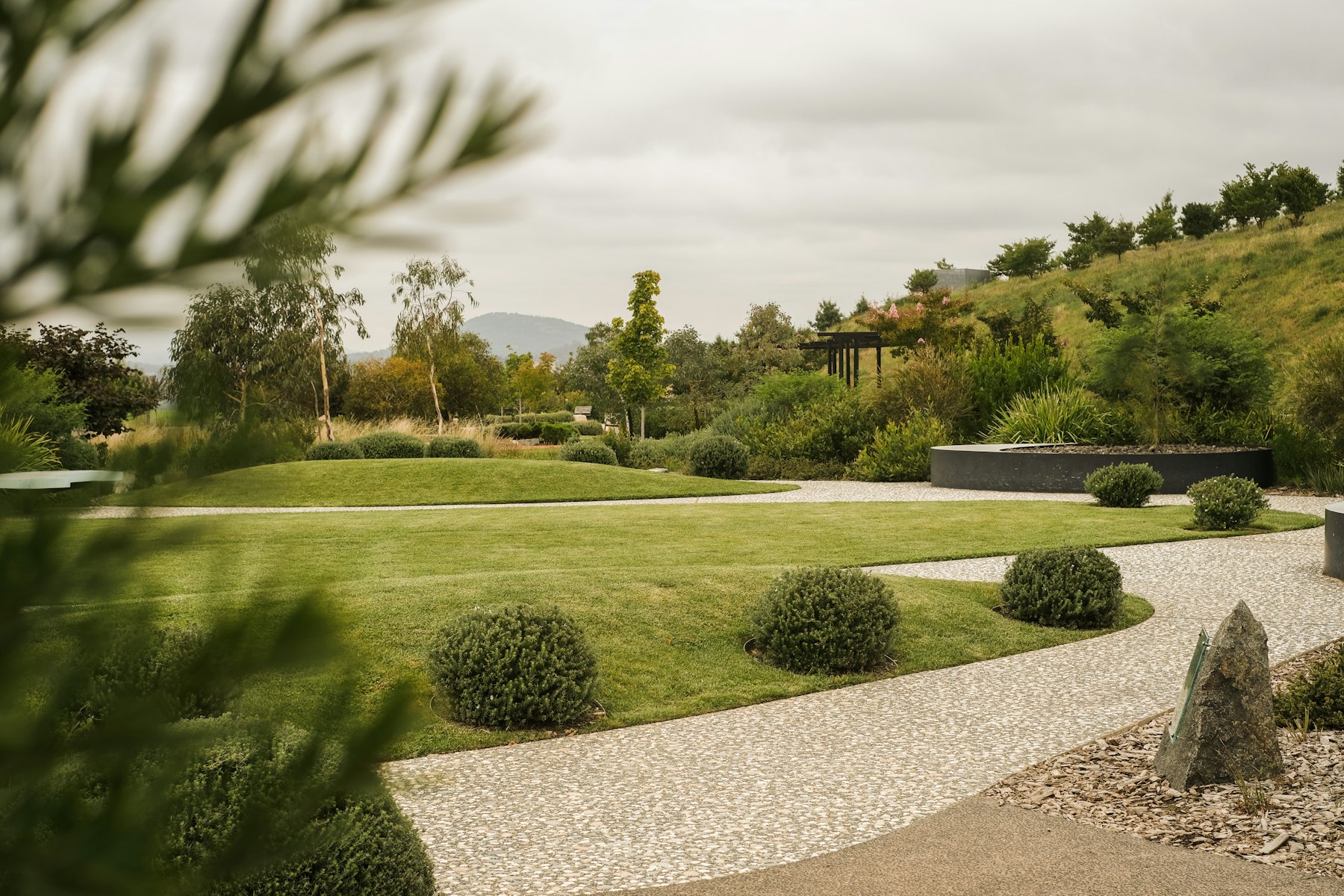
There's a point in every project where I ask myself the same question: Am I designing in response to this site, or am I letting the site design me?
The distinction matters. Site-responsive design is beautiful. It's intelligent. But I've also seen projects where the designer became so enamored with the site that the building disappeared into it. No personality. No human intention. Just a response to topography and views.
I think about this when I work on projects in Noida. The city has constraints I can't ignore. Urban regulations are strict. Space is precious. Development densities are high. Do I accept all of this as gospel truth, or do I look for moments where I can push gently against these constraints?
The HouseEazy offices project gave me a chance to think about this. The site conditions weren't ideal. Multiple locations. Varying floor plate sizes. Budget constraints. Instead of seeing these as limitations, I tried to see them as parameters that would force creative solutions. Within those parameters, we made intentional design moves that were possible precisely because we understood the constraints.
That's different from designing a cabin in Himachal Pradesh where the constraints are environmental and almost sacred. The steep slope tells you something about respecting the land. You can't just flatten it and impose a design. You listen. But even in listening, you're still making choices. You're choosing the A-frame form. You're choosing where the glass opens. These are acts of design intention, not mere response.
I think the best site-responsive design is actually about a dialogue. The site speaks. You listen. Then you speak back. You propose something that's in conversation with the site, not a monologue where either the site or the designer dominates.
Learning to hold that tension, to know when to listen and when to be creatively stubborn, is something I'm still working on. And I suspect I'll be working on it for the next twenty years.