
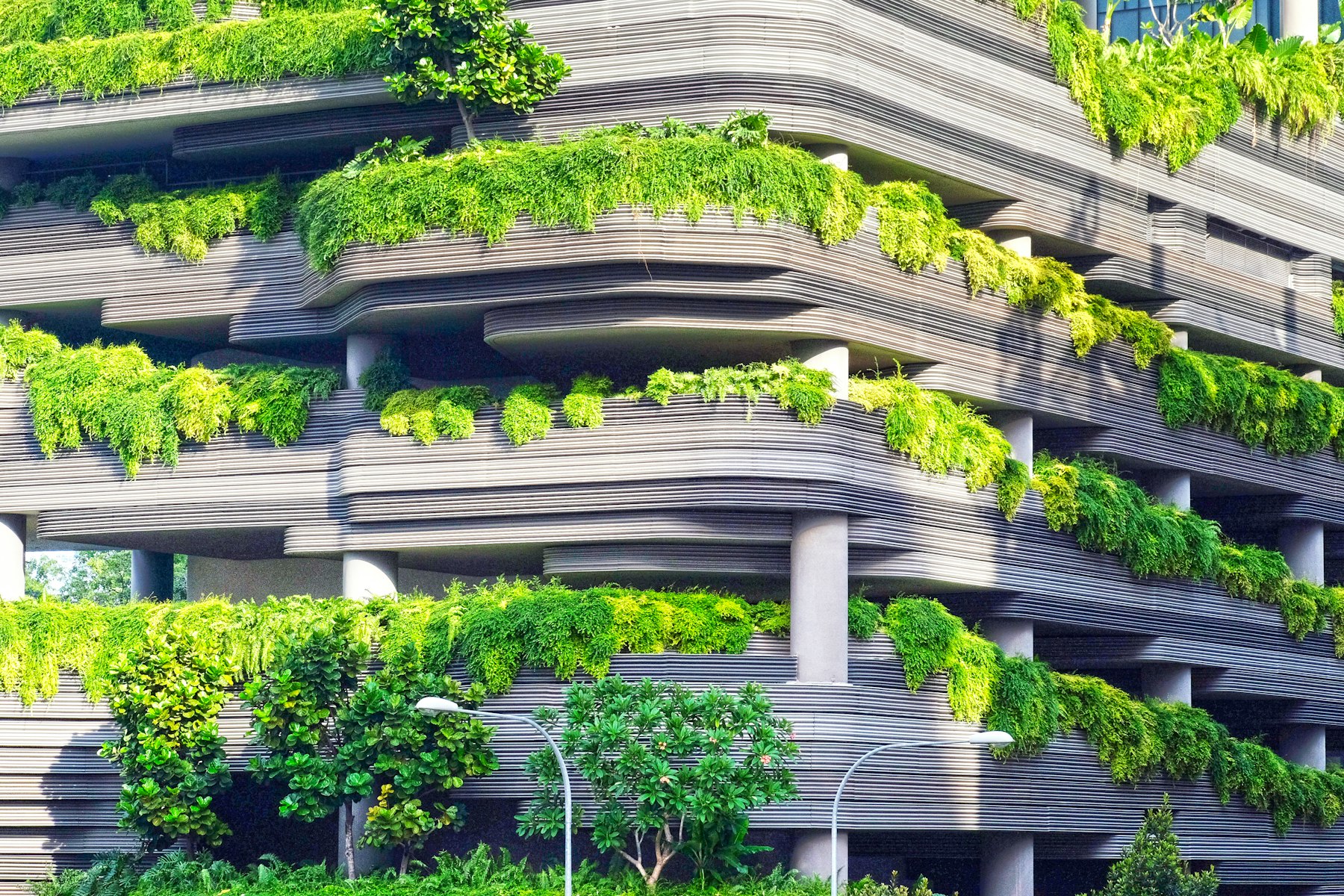
I used to be cynical about sustainability in architecture. Every project seemed to have a section about "green initiatives" without genuine thought behind them. Solar panels because they looked good in renderings. Green walls because they photograph well. Water harvesting features sized incorrectly to actually function.
Over the years, my view has evolved. I've realized that genuine sustainability starts with honest assessment of impact, not with solutions looking for problems.
The A-Frame cabin project forced me to think deeply about this. Located in a remote area, it can't rely on city infrastructure. This forced real solutions, not performative ones. We designed for on-site water management because it was necessary. We chose durable materials because the alternative was frequent replacement and maintenance in difficult terrain. We optimized thermal performance because it directly affects occupant comfort and operational costs.
These weren't sacrifices to some environmental ideal. They were practical necessities that happened to be sustainable. And I think that's the key insight: genuine sustainability emerges from honest design thinking. When you understand the climate, when you design for longevity, when you prioritize durability and adaptability, sustainability follows naturally.
I've become wary of carbon accounting exercises that show impressive reductions in carbon footprint while ignoring embodied impacts or operational reality. True sustainability thinking is more holistic. It asks: What materials are available locally? What will last longest with minimum maintenance? How will this building perform through its lifecycle, not just at moment of completion?
For the retail projects, sustainability meant creating stores that could be reconfigured as tenant or brand needs changed. A sustainable space isn't necessarily one with the most efficient HVAC system. It's a space with lasting utility, that doesn't become obsolete in five years.
In residential projects, it means designing homes that will serve families well for decades, that can adapt as families's needs change, that perform well passively before relying on mechanical systems.
I've also learned to be honest about the limits of architectural sustainability. A building designed to be perfect environmentally but operating with poor practices is counterproductive. The quality of management matters as much as the quality of design.
At Studio Dotbox, we're moving toward a framework where sustainability is integrated into design thinking from the beginning, not added as an afterthought. Where we make honest choices about materials and systems based on performance and longevity, not marketing potential.