
When I started my master's thesis on aerotropolis development, I thought I was diving deep into a niche topic. I realized quickly that I was exploring the future of metropolitan planning in India.
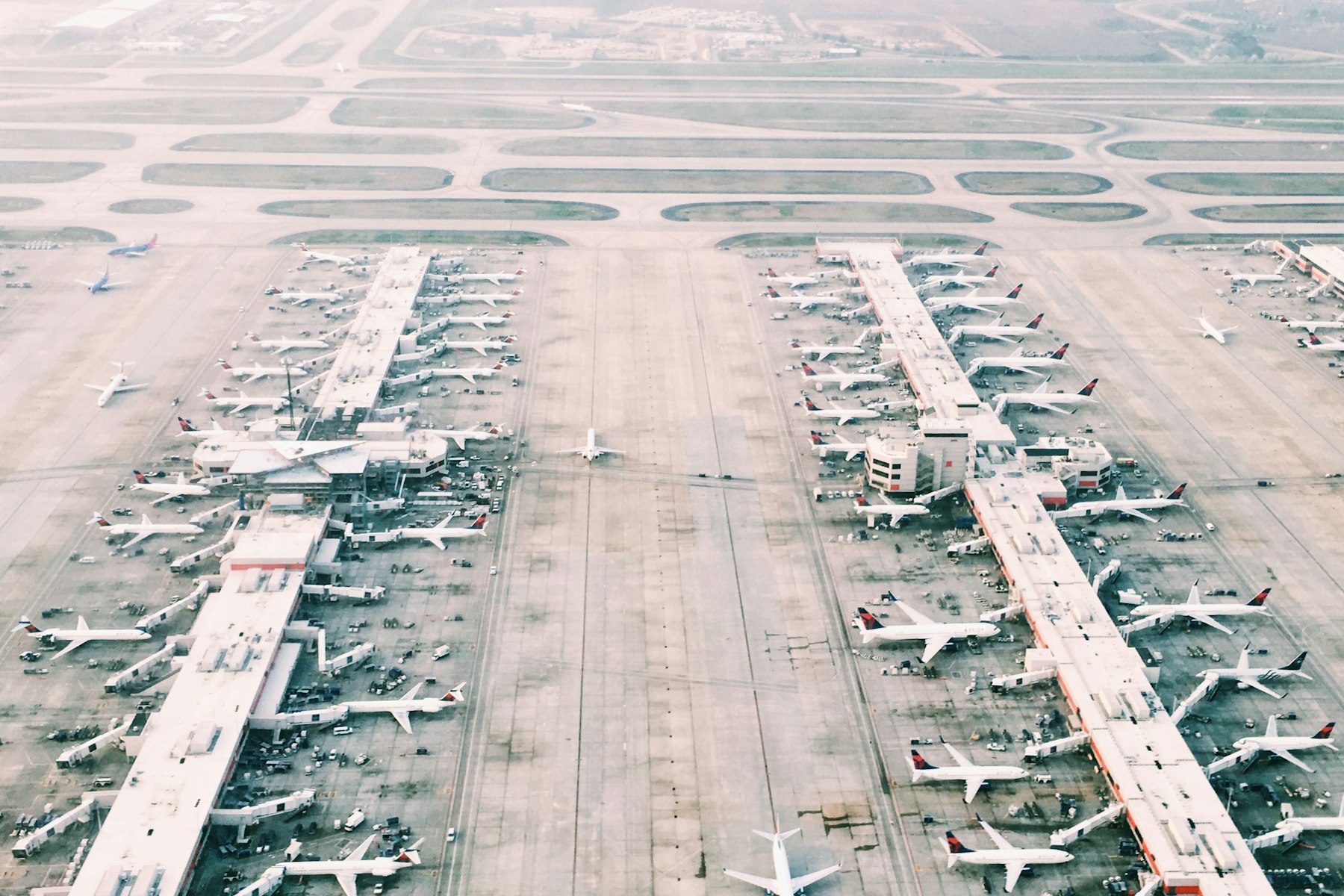
An aerotropolis is deceptively simple conceptually: a city or region organized around an airport as a central node. But the implications are complex. The Noida International Airport represents a generational opportunity to think about how a metropolitan region develops around a transport hub.
Most Indian cities grew organically, without this kind of coordinated planning around a central node. The result is fragmented development, disconnected from mobility infrastructure. An aerotropolis, by contrast, can be planned more holistically. The airport becomes the spine around which residential, commercial, hospitality, and logistics clusters develop.
Through my research, I spent time studying what works in other aerotropolis developments internationally. The key insight is that successful ones aren't just about airport efficiency. They're about creating mixed-use communities that serve multiple functions. They're about defining zones of intensity and calm. They're about connecting people to the airport not just by car, but by multiple modes of transport.
For Noida, the opportunity is significant. The airport will handle 40 million passengers annually at full capacity. Imagine the urban development potential around this hub. Imagine if we could plan it well from the beginning, rather than scrambling to accommodate growth reactively.
What excites me most is that this level of planning requires collaboration across disciplines. Architects and urban planners, obviously. But also transportation specialists, environmental scientists, economists. The buildings I design might eventually sit within a larger master plan framework that someone else creates. Understanding that context is crucial.
I've deliberately brought this thinking into Studio Dotbox's residential and commercial projects. We're not just designing individual buildings. We're thinking about how those buildings relate to larger urban systems. How do we contribute to better neighborhoods? How do we support mixed-use development? How do we integrate public space thoughtfully?
The aerotropolis concept is still theoretical for Noida. The airport is under construction. But the planning begins now. That's where the real architectural opportunity lies.