
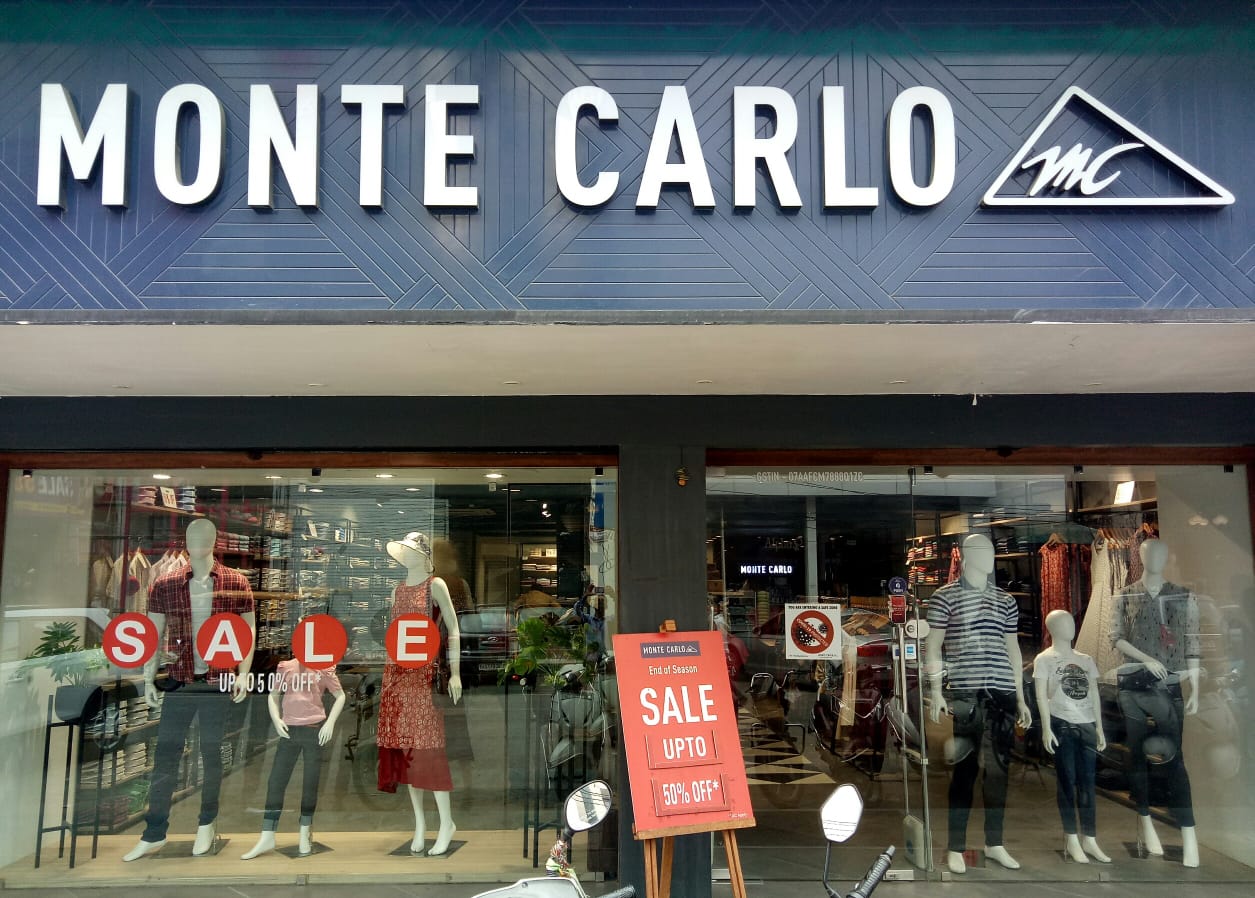
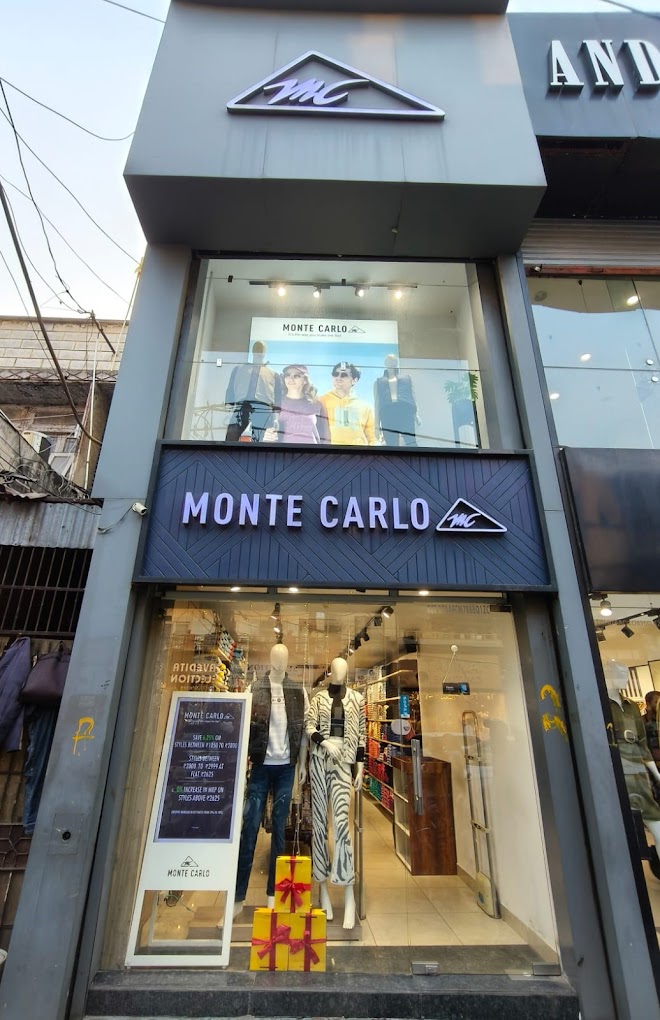
The Monte Carlo Retail Store in Rajaouri Garden represented particularly nuanced challenge in retail design: translating deep brand heritage accumulated across decades into compelling contemporary retail experience while honoring narrative of company's remarkable evolution from trusted knitwear manufacturer to household fashion name.
Monte Carlo's identity rests on foundational values, excellence, sophistication, comfort, that required spatial articulation extending far beyond graphics, signage, or surface finishes. The brand's reputation emerged through decades of consistent quality, material integrity, and earned customer trust. These abstract qualities demanded translation into spatial language that contemporary customers could viscerally experience and emotionally engage with.
The design strategy engaged multiple layers of the brand's identity and heritage. The company logo provided visual starting point for design exploration. The textile heritage emphasized by Monte Carlo's origin story and manufacturing identity suggested material authenticity and craft commitment. Core positioning around comfort required spaces communicating warmth, approachability, and human scale. The task involved synthesizing these elements into coherent retail narrative.
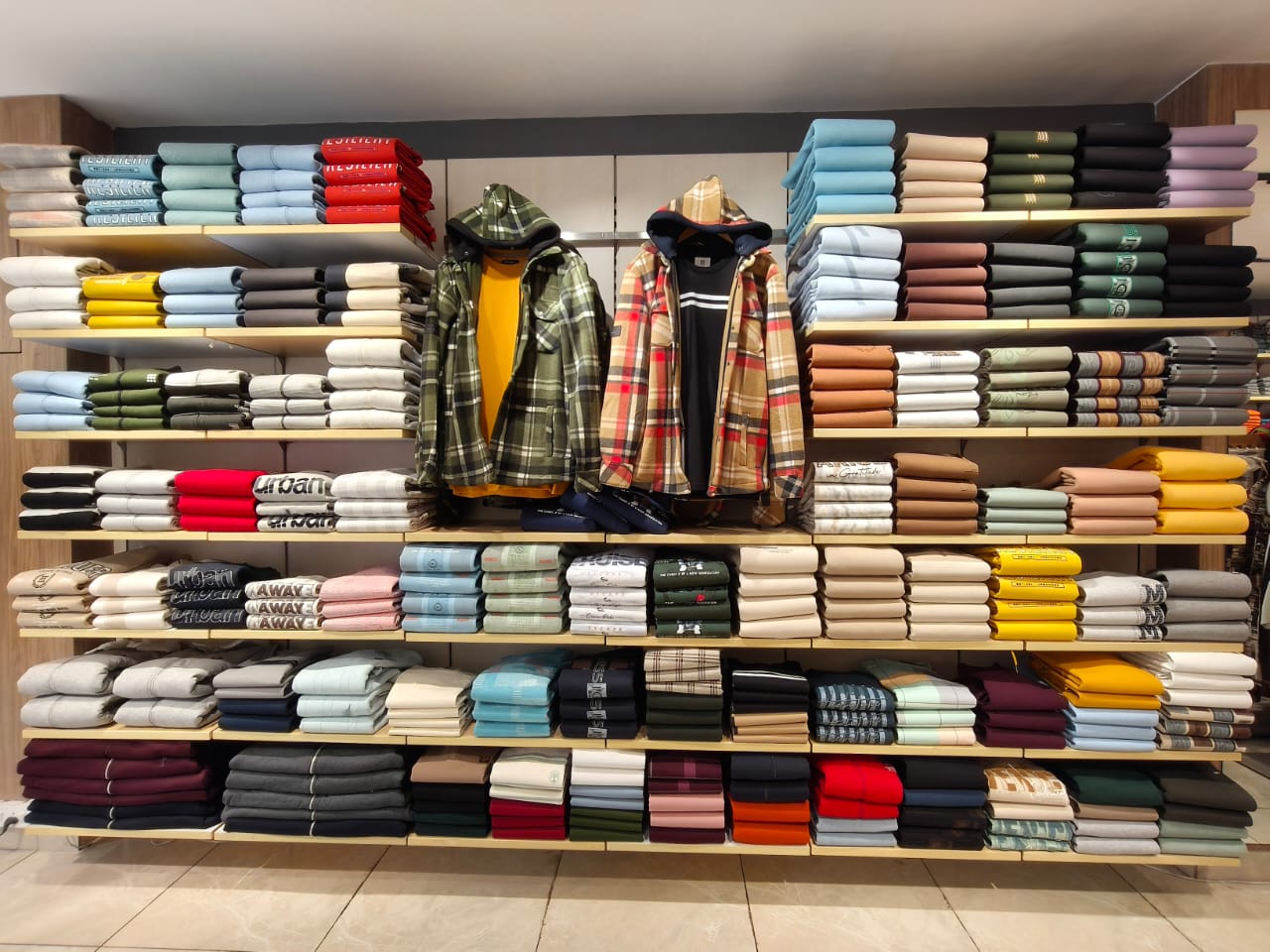
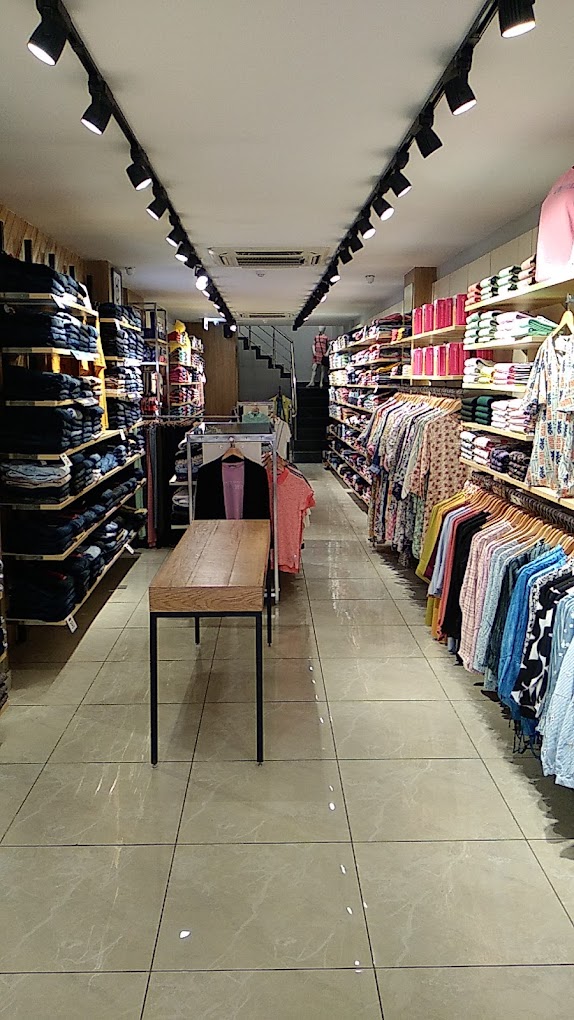
The store concept established clear visual hierarchy guiding customers through product categories while maintaining sight lines encouraging exploration and discovery. Upon entering, customers encountered visual clarity establishing brand identity immediately through environmental language. Product display systems were customized specifically to showcase garment qualities, particularly important for brand whose reputation relies on material tactility, finish quality, and craftsmanship understanding. Customers needed to physically engage with textiles, developing genuine understanding of weight characteristics, drape behavior, and finish quality justifying premium pricing.
Strategic lighting was carefully calibrated to reveal fabric details and ensure color accuracy. Retail lighting operates fundamentally differently from general illumination; it shapes customer perception profoundly. Poor lighting undermines excellent products; exceptional lighting enhances customer understanding and confidence. The design respected the customer experience premium apparel demands. Every detail, from display height to ambient brightness to material surface characteristics, was specified to enhance customer engagement with merchandise.
Materiality played central role in brand communication. Wood finishes referenced craft traditions Monte Carlo celebrates while respecting contemporary retail vocabulary. Glass displays provided transparent clarity enabling merchandise visibility. Branded elements were integrated thoughtfully to reinforce identity without overwhelming merchandise visibility. Spatial organization created distinct zones encouraging browsing while maintaining logical navigation, essential for retail success.
The store layout reflected sophisticated understanding of retail customer behavior and movement patterns. Entry sequences establish environmental tone and establish sight lines drawing customers deeper into space. Focal displays create destination points organizing shopping journey and enabling wayfinding. Checkout locations influence final purchase moments and customer satisfaction. Every spatial decision served both practical efficiency and brand storytelling.
The Monte Carlo store demonstrates how heritage brands maintain relevance through thoughtful retail environments respecting their history while engaging contemporary customers effectively. For companies built on consumer trust, physical retail space becomes critical brand asset. The store experience communicates brand values more effectively than traditional advertising. Customers encountering quality craftsmanship physically, touching premium textiles in well-designed space, develop brand loyalty that marketing cannot purchase.
Project details
Materials
Wood finishes, glass displays, branded elements
Floor area
1500 sqft
Construction period
2018